- Proudly Serving Hamilton and the Waikato Region
- 0800 520 005 (Free)
- mbrewster766@gmail.com
- Fran: 0273 672 942
- Matt: 0272 855 072

Rat or Mouse Droppings? How to Compare the Signs in NZ Homes
Mouse droppings are usually smaller than rat droppings, but size is a clue rather than a complete identification. If you have found unfamiliar pellets in a Hamilton home, compare the location and other signs too. A photograph can help explain the problem without handling the material.
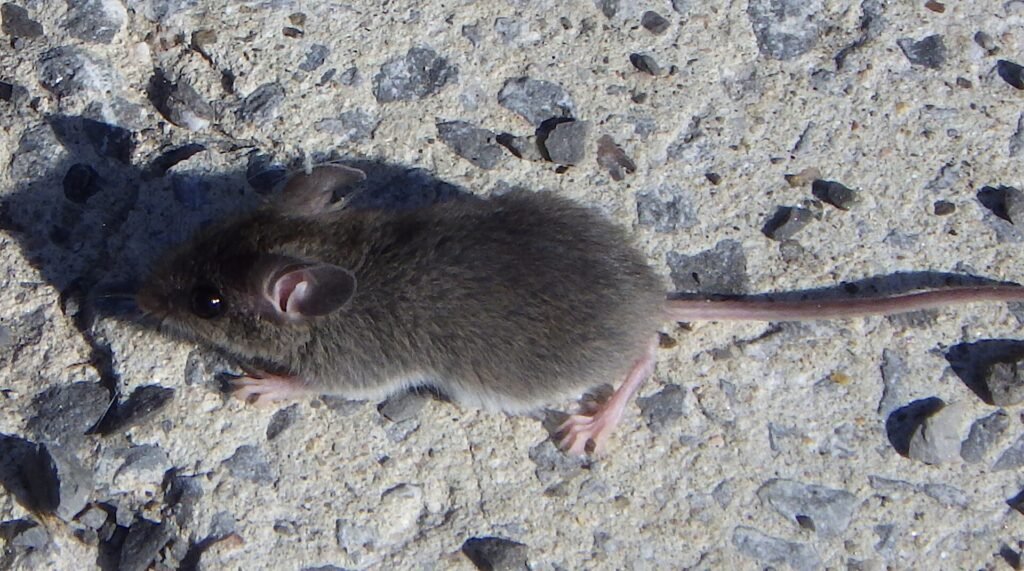
An approximate size and shape comparison
Kiwicare’s New Zealand rodent-identification guide gives these approximate comparisons. They are a starting point, not a test that confirms the animal in your property.
Mouse droppings
Often about 4–7 mm long, with pointed ends. Small dark pellets may be noticed around stored goods or other places that deserve a closer assessment.
Ship-rat droppings
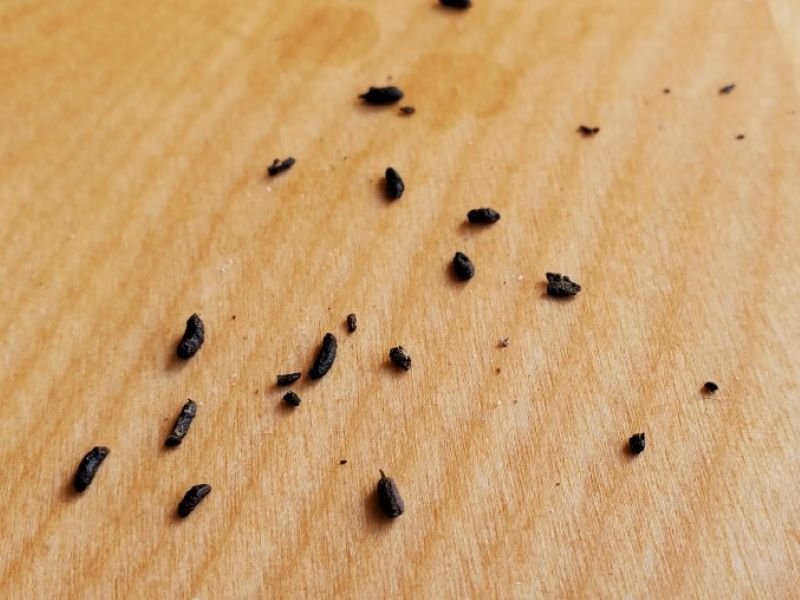
The guide gives about 7–14 mm, often with pointed ends. A pointed shape alone therefore does not establish that you have a mouse.
Norway-rat droppings
The guide gives about 14–19 mm, with more rounded ends. These approximate ranges do not cover every possible animal, age or condition of a dropping.
Why one photograph can be misleading
Scale, lighting and the condition of the material can make comparisons difficult. A close-up without any indication of size may be less useful than a clear photograph showing where the material was found. Do not handle suspected waste to measure it or arrange a better photograph; explain the uncertainty instead.
Record the room, the surface and whether you have noticed anything similar elsewhere. Say when you first saw it, rather than claiming it is new from its colour alone. If you are unsure whether the material is animal waste at all, say so when you contact the team.
Look for a pattern of evidence
The Department of Conservation’s rodent and stoat reference considers tracks and other signs alongside droppings. At home, useful observations to report include sightings, damaged packaging and repeated sounds. They do not all have to point to the same explanation.
- Describe where the material was found.
- Keep a note of any sightings or damage in the same area.
- Mention whether you hear scratching in the roof or ceiling.
- Explain any previous traps, bait or treatment.
Identification comes before choosing an approach
Avoid choosing equipment solely because a dropping resembles an online image. Explain the signs and ask how the suspected pest will be assessed. Our traps and bait-station comparison sets out the questions to ask about a proposed approach; it is not a substitute for identifying the problem.
What should you tell a pest-control company?
Give your Hamilton or Waikato location, the property type, affected rooms and any children or pets that need to be considered. For general household service information, see pest control for your home. For suspected rats or mice, start with rodent control in Hamilton and ask whether assessment, treatment, any cleaning arrangements and follow-up are included or separate. This article identifies signs; it does not provide a waste-cleaning procedure.
Image: Photo: Ahunt, CC0 · Source and licence
Frequently asked questions
Can I identify droppings from size alone?
Size can be a clue, but it cannot confirm the animal. Consider location and other signs.
Are all pointed droppings from mice?
No. Kiwicare notes that both mouse and ship-rat droppings can have pointed ends.
Do droppings prove current activity?
One observation does not establish when activity occurred. Record where and when you found them.
Is cleaning included in rodent control?
Ask for the scope of cleaning, treatment and any follow-up to be specified in your quote.
Want to get rid of rats or mice?
Tell us what you have noticed and where it is happening. Ask our Hamilton team for a free quote.