- Proudly Serving Hamilton and the Waikato Region
- 0800 520 005 (Free)
- mbrewster766@gmail.com
- Fran: 0273 672 942
- Matt: 0272 855 072

How Do Rats and Mice Get Into a House? Entry Points to Check
Rats and mice can gain access through openings around a building, while accessible food and shelter can make the property attractive. Finding one possible gap is useful, but it is not proof that you have found every route. A good prevention discussion considers the building and the activity already reported.
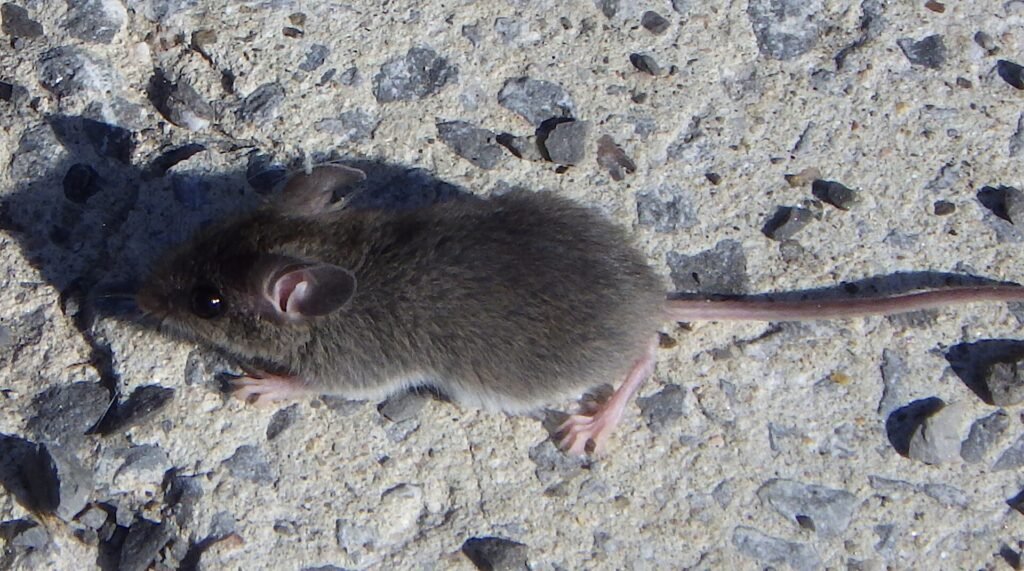
Start with accessible building edges
Waimakariri District Council’s rodent-proofing fact sheet highlights openings around pipes, doors, cladding and other building details. Its general prevention points are useful in NZ homes, although local council reporting arrangements should not be assumed to apply in Hamilton.
From places you can safely view, note gaps around service penetrations, poorly fitting doors and damaged building edges. Photograph the location without dismantling anything. If a possible opening is high up or behind services, describe it to the person assessing the property rather than attempting to reach it yourself.
Think beyond the room where you saw the mouse
A sighting in one room tells you where the animal was noticed, not necessarily where it entered. Consider the route between the house, an attached garage, storage areas and the outside. Report signs in each location instead of assuming the kitchen is the whole problem.

The council fact sheet also discusses vegetation near eaves, food storage and clutter. Secure food and pet food, manage rubbish and reduce unnecessary stored material. Those changes complement an access assessment; they do not demonstrate that an existing rodent problem has been resolved.
Treatment and rodent-proofing are different scopes
Ask which possible openings have been identified and what evidence connects them to the activity. Then clarify who would carry out any repair, what it would involve and whether it is covered in the quote. Do not assume a pest-control visit includes carpentry, roofing, plumbing or other building work.
Discuss the order of treatment and repairs with the people doing the work. A list of suspected gaps is a starting point for that conversation, not a complete repair specification. Keep a record of completed work so future activity can be compared with what has already been addressed.
A practical checklist before you enquire
- List affected spaces and the signs seen in each.
- Photograph accessible suspected gaps with their location clearly shown.
- Note recent building work or damaged door and storage areas.
- Explain which repairs or treatments have already been tried.
- Ask who will assess activity and who will handle building repairs.
If the first clue is noise overhead, read the guide to scratching in the roof. If you are comparing control options, our traps versus bait-stations guide explains why placement, monitoring and access precautions need to be discussed alongside the equipment.
Where outdoor activity fits
Mention sightings around outbuildings, bins or outdoor storage as well as signs indoors. The outdoor pest-treatment page explains the wider service context. Confirm whether the suspected pest and the areas affected are covered. Use the Rodent Control Hamilton page to ask specifically about a rodent assessment and a quote suited to the locations affected.
Image: Photo: Ahunt, CC0 · Source and licence
Frequently asked questions
Where might rodents enter?
Possible openings include gaps around doors, pipes and building edges. A property assessment can identify relevant areas.
Are repairs included?
Ask who will carry out any repairs and whether they are included or quoted separately.
Does food storage solve an existing problem?
Reducing accessible food supports prevention; discuss an existing problem and suitable assessment separately.
What should renters do?
Discuss access and arrangements with your landlord or property manager before work begins.
Want to get rid of rats or mice?
Tell us what you have noticed and where it is happening. Ask our Hamilton team for a free quote.