- Proudly Serving Hamilton and the Waikato Region
- 0800 520 005 (Free)
- mbrewster766@gmail.com
- Fran: 0273 672 942
- Matt: 0272 855 072

Ants in the Kitchen? How to Find the Cause and Stop Them Returning
A line of ants across the kitchen bench can turn an ordinary breakfast into a frustrating clean-up. Removing the visible trail helps you see what is happening, but it may not explain why the ants keep coming back. Start by noting where they appear, what attracts them and how often you see them.
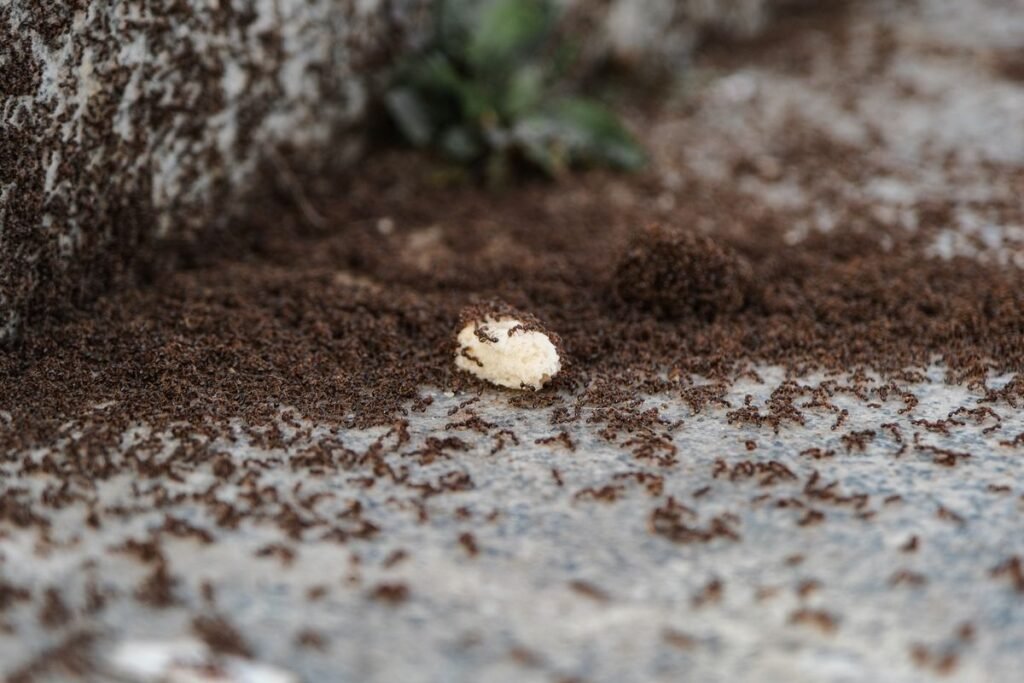
Why are ants coming into the kitchen?
Food residues, accessible water and gaps around a building can all give ants a reason or a route to come indoors. A trail may lead towards a pantry, sink, pet bowl or rubbish bin, but seeing ants in one spot does not establish where the nest is. Different ants and properties may need different approaches.
Follow the pattern without guessing the nest
Note the room, the time of day and where the trail first becomes visible. A photo can help you describe the insects. Look from accessible areas around door frames, windows and pipes, but avoid dismantling fittings or reaching into inaccessible spaces. Tell the team if activity is also visible outside.
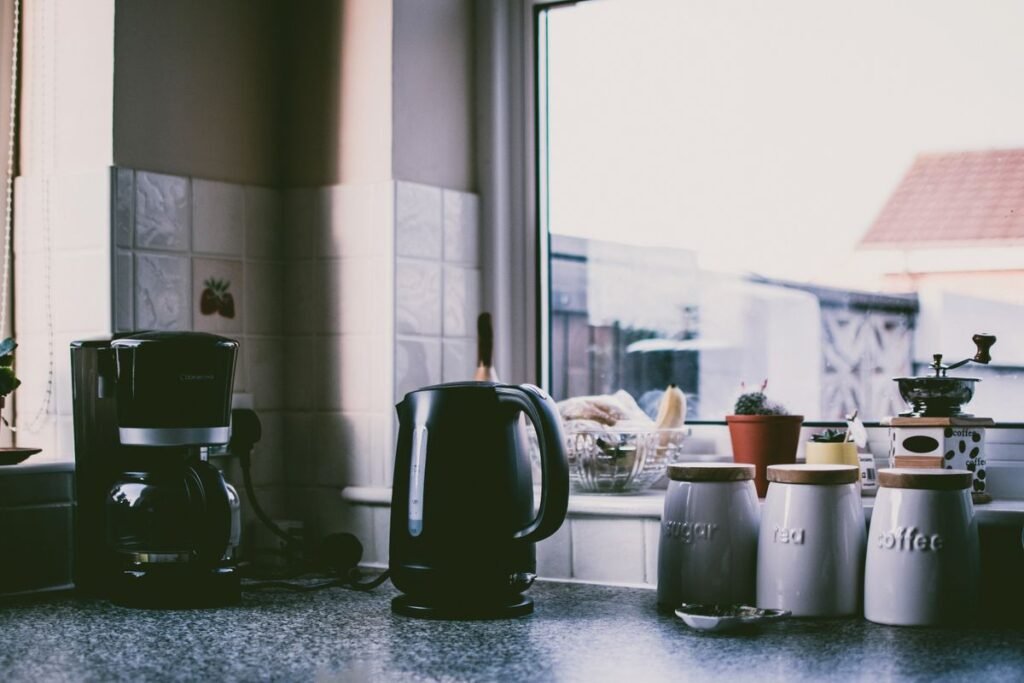
Remove the easy attractions
Wipe up spills, store food in sealed containers, manage rubbish and check pet-food areas. Address obvious sources of moisture where practical. These steps support prevention; they do not guarantee that an established problem will disappear. If ants return repeatedly, explain what you have already tried.
Should you use an ant spray or bait?
Products and placement depend on the situation. Using several products without a clear plan can make it harder to understand what has worked. Read product labels and ask for professional advice, especially if children, pets, food preparation areas or sensitive occupants are involved. Discuss the proposed method before work starts.
When to ask for help
Contact the team if the trail keeps returning, appears in multiple areas or you cannot identify where the ants are coming from. Ask what areas will be assessed, how to prepare and whether any follow-up is included. Explore our indoor and residential pest-control services for the wider treatment context.
Explore our services: Indoor pest treatments · Residential pest control.
Photos: Yaşar Başkurt / Pexels · Lisa Fotios / Pexels
Frequently asked questions
Does one ant mean there is a nest indoors?
No. A sighting alone cannot establish where a nest is or how extensive activity may be.
Will cleaning the bench stop ants permanently?
Removing food residues can reduce attractions, but persistent activity may require further assessment.
Should I mention pets and children?
Yes. Explain who uses the affected areas and ask about preparation and product-specific precautions.
Can ants return after treatment?
Activity and results vary. Ask what to expect and whether follow-up is included in your quote.
Want those ants out of your kitchen?
Tell us what you have noticed and where. Ask our Hamilton team for a free quote.